

Cardboard Display Price Guide: What Affects Cost and How to Get the Best Value (2026)
==========================================================================================
One of the most common questions buyers ask when sourcing retail displays is simple:
👉 “What is the price of a cardboard display?”
However, once you start comparing quotations, things quickly become confusing.
Some suppliers offer very low prices, while others quote significantly higher—even for displays that look almost identical in photos.
From our experience working with brands, importers, and supermarket suppliers, this confusion is very common. The reason is that cardboard displays are not standard products. Pricing depends on a combination of design, structure, materials, and production methods.
If you have already explored topics like retail requirements for large chains or pallet display design, you may have noticed that performance and cost are closely linked.
Understanding pricing is not just about saving money—it is about making sure your display works in real retail environments.
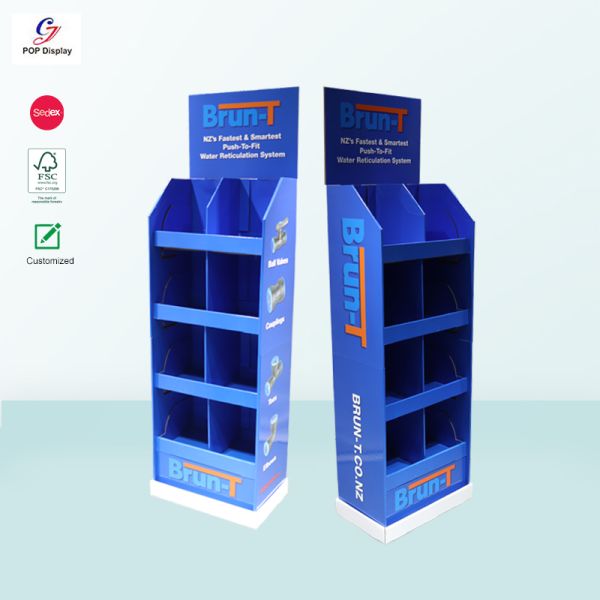
custom cardboard display cost
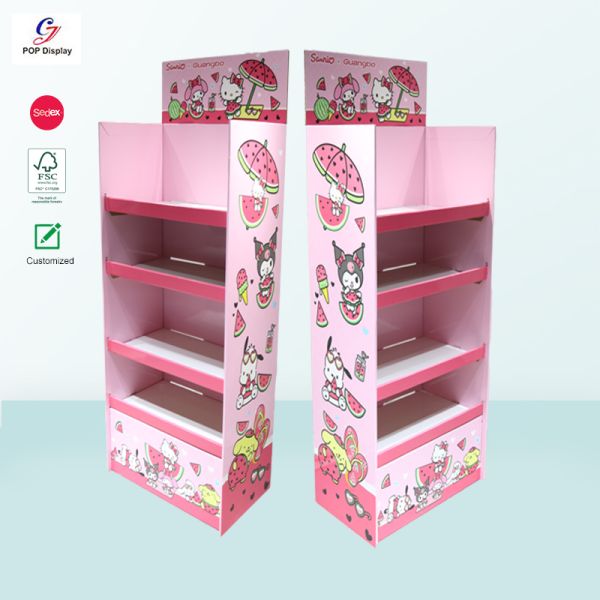
display stand price
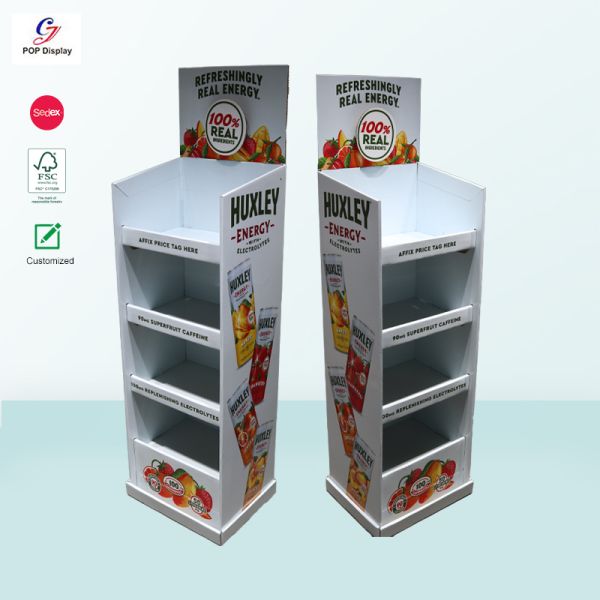
retail display pricing
Why Cardboard Display Pricing Varies So Much
Unlike standard packaging, most displays are customized for specific products and retail scenarios.
Two displays that look similar can have major differences in:
Internal structure
Material thickness
Load capacity
Printing quality
In many cases, lower-priced displays cut corners in areas that are not visible at first glance, but become critical during transportation or in-store use.
This is why some displays perform well, while others fail—even if the initial cost was lower.
Key Factors That Affect Cardboard Display Price
1. Structure and Engineering
The internal structure is one of the biggest cost factors.
A basic display may use a simple foldable design, while a more advanced one includes:
Reinforced base panels
Double-layer shelves
Locking mechanisms
From a manufacturing perspective, these structural elements are not just design features—they directly determine load capacity and durability.
In our projects, especially for supermarket programs, structure is often optimized first before finalizing the price.
2. Size and Display Type
Different display formats come with different cost levels:
Counter displays → compact and cost-effective
Floor displays → medium cost
Pallet displays → higher cost due to reinforcement
For example, pallet displays used in large retail programs require additional structural support, which increases material usage and production complexity.
3. Material Selection
Material plays a crucial role in both cost and performance.
Higher-grade cardboard provides:
Better load-bearing capacity
Improved durability
Stronger overall structure
However, using the highest-grade material is not always necessary. The key is choosing the right material based on product weight and display design.
In many cases, we help customers optimize material selection to balance cost and performance.
4. Printing and Visual Design
Retail displays are also marketing tools, so printing quality matters.
Costs increase with:
Full-color printing
High ink coverage
Special finishes (lamination, coating)
However, from practical experience, a clean and well-balanced design often performs better than overly complex graphics.
5. Order Quantity
Order quantity has a significant impact on unit cost.
Small quantity → higher unit price
Large quantity → lower unit price
This is because setup costs such as printing plates and die-cut molds are distributed across the total order.
For customers planning long-term retail programs, increasing order volume can significantly reduce overall cost.
6. Packaging and Logistics
Shipping is often underestimated in pricing discussions.
Well-designed displays use flat-pack packaging to:
Reduce shipping volume
Lower freight cost
Improve container efficiency
In contrast, poor packaging design can lead to damage during transportation, which increases total cost.
Real Buyer Mistakes We Often See
Based on real projects, many buyers make similar mistakes:
❌ Focusing Only on the Lowest Price
This often leads to weak structures or poor performance.
❌ Ignoring Structural Design
A visually attractive display may fail under real conditions.
❌ Overcomplicating the Design
Adding unnecessary elements increases cost without adding value.
❌ Not Testing Samples
Skipping testing can lead to problems during mass production.
How We Help Customers Optimize Cost
Instead of simply quoting a price, a professional manufacturer should help you optimize the entire project.
In our daily work with retail clients, we typically:
Adjust structure to reduce material usage
Suggest alternative materials for cost efficiency
Simplify designs without affecting performance
Improve packaging to reduce shipping cost
This approach often results in better overall value rather than just a lower price.
The Connection Between Price and Retail Performance
This is where many buyers change their perspective.
A cheaper display may save money upfront, but if it:
Collapses in-store
Fails during shipping
Does not meet retail requirements
…the real cost becomes much higher.
As discussed in earlier topics like Walmart or Costco display requirements, retailers expect displays to perform reliably under real conditions.
Investing in the right design often leads to better sales results and fewer operational issues.
When Should You Invest More?
In some cases, a higher budget is justified:
High-volume retail programs
Heavy products (e.g., beverages)
Long-term display use
Strict retail requirements
In these scenarios, structural reliability is more important than saving a small amount on unit cost.
Practical Tips Before Requesting a Quote
To get accurate pricing and avoid unnecessary revisions, you should provide:
Product size and weight
Display type (counter, floor, pallet)
Estimated quantity
Target retail environment
With this information, manufacturers can provide more precise and useful quotations.
A More Efficient Way to Start Your Project
If you are not sure where to begin, it is often more efficient to start with a design discussion rather than asking for a price immediately.
👉 You can explore our custom cardboard display solutions to see how structure and design decisions impact cost and performance.
Conclusion & CTA
Cardboard display pricing is influenced by multiple factors, and understanding these factors helps you make better sourcing decisions.
The goal is not simply to find the lowest price, but to achieve the best balance between cost, durability, and retail performance.
👉 If you are planning a display project, contact us for a free quotation, fast sampling, and professional design support. We can help you develop a solution that fits both your budget and your retail requirements.
