

Introduction
One of the first questions buyers ask when sourcing custom displays is:
👉 “What is your MOQ?”
For many importers, startups, or even established brands testing a new product, order quantity is a key concern.
Some buyers are looking for small trial orders, while others are planning large-scale retail programs.
From our experience working with different types of clients, MOQ is not just a number—it is closely related to production cost, efficiency, and long-term planning.
Understanding how MOQ works can help you make better decisions and avoid unnecessary costs.
What Does MOQ Really Mean in Cardboard Displays?
MOQ (Minimum Order Quantity) refers to the minimum number of units a supplier requires to start production.
However, unlike standard products, MOQ for cardboard displays is not fixed.
It depends on several factors:
Structural design
Printing setup
Material usage
Production process
This is why different suppliers may offer different MOQs for similar-looking displays.
Why MOQ Exists (From a Factory Perspective)
To understand MOQ, it is important to look at how production works.
For each new display project, factories need to prepare:
Printing plates
Die-cut molds
Machine setup
These initial steps involve fixed costs, regardless of order size.
If the quantity is too small, the cost per unit becomes very high, making production inefficient.
This is the main reason why MOQ exists.
Typical MOQ Range (Industry Insight)
While there is no universal standard, typical MOQ ranges are:
Simple displays → relatively lower MOQ
Complex custom displays → higher MOQ
Pallet displays → higher due to structure and size
However, MOQ is always flexible to some extent, depending on the project.
Can You Order Small Quantities?
This is where many buyers feel uncertain.
The short answer is:
👉 Yes, small orders are possible—but they may not always be the most cost-effective option.
In our daily work, we do support clients who need:
Sample runs
Market testing
Small promotional batches
However, we also help them understand the cost implications and explore better options.
The Real Cost of Small Orders
Small orders often come with:
Higher unit price
Less efficient production
Limited customization options
For example, the cost of preparing printing plates is the same whether you produce 100 units or 10,000 units.
This means small orders carry a higher cost burden per unit.
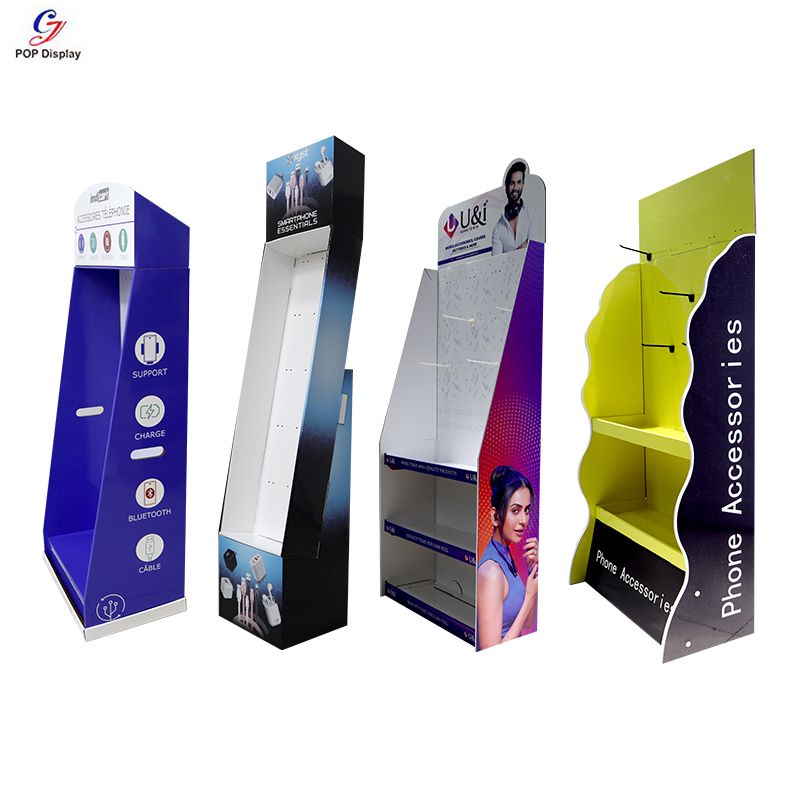
cardboard display supplier MOQ
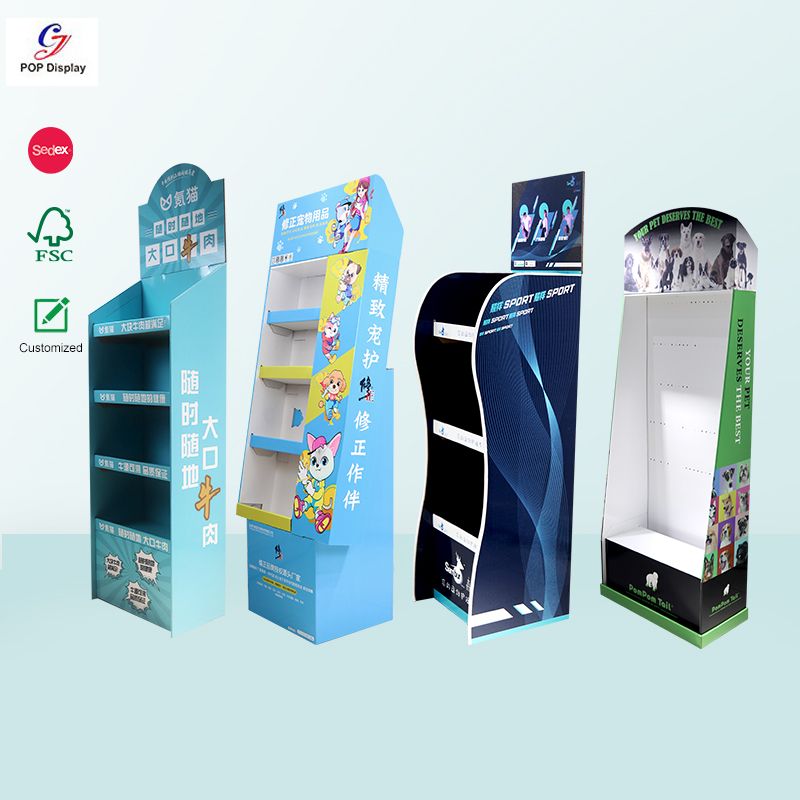
minimum order quantity display stand
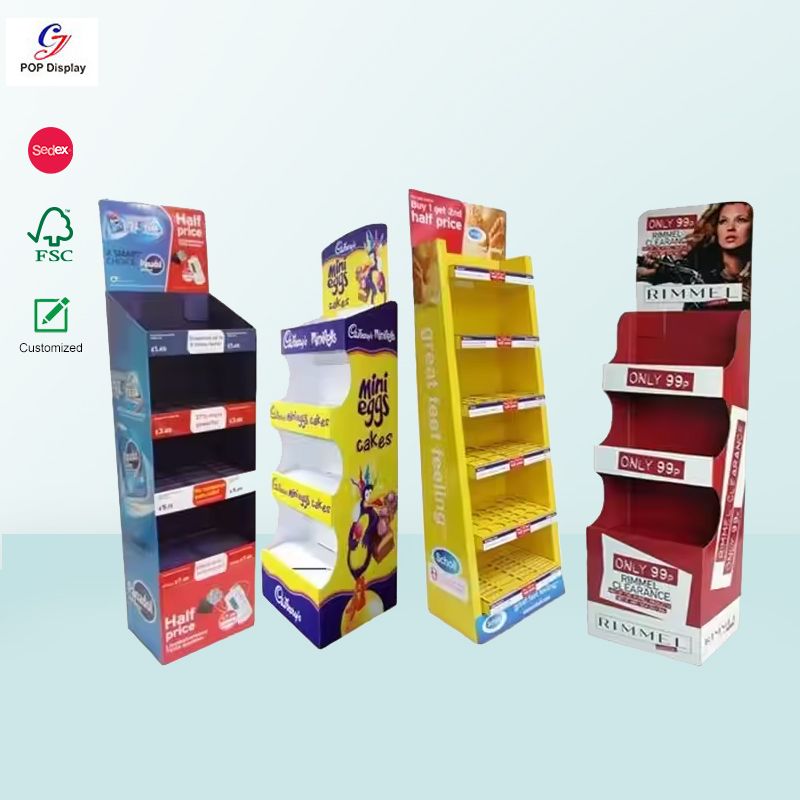
custom cardboard display MOQ
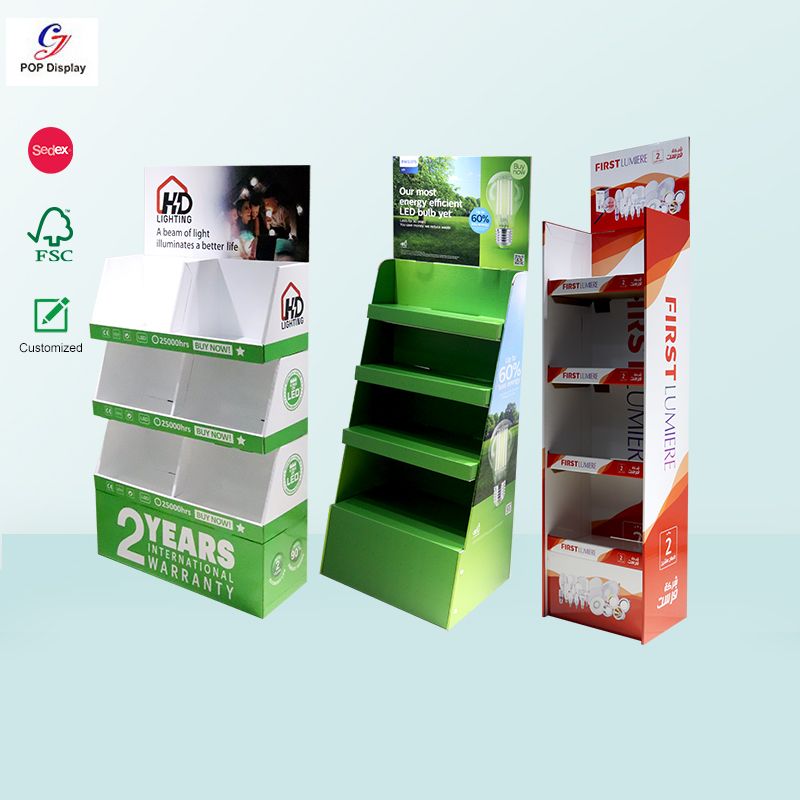
display stand small order
A More Practical Approach: Start Small, Plan Bigger
Instead of focusing only on MOQ, a more effective strategy is:
Step 1: Start with Samples
Develop and test your display design quickly.
Step 2: Evaluate Market Response
Use initial feedback to adjust design or strategy.
Step 3: Scale Up Production
Increase order quantity once the design is confirmed.
This approach helps reduce risk while still achieving cost efficiency in the long run.
How We Handle MOQ in Real Projects
From our experience, different clients have different needs.
We usually approach MOQ in a flexible way:
For new clients → support smaller trial orders when possible
For growing brands → optimize structure to reduce cost
For large retail programs → recommend higher volumes for better efficiency
In many cases, we also suggest design adjustments that can lower MOQ without compromising performance.
How to Reduce MOQ Without Compromising Too Much
If you are concerned about order quantity, here are some practical strategies:
1. Simplify the Design
Less complex structures require fewer production steps.
2. Use Standard Sizes
Custom sizes may increase setup requirements.
3. Reduce Printing Complexity
Simpler printing can lower production constraints.
4. Combine Orders
If you have multiple SKUs, consider combining them into one display design.
MOQ and Retail Requirements
MOQ is also influenced by your target retail environment.
For example:
Supermarket programs often require larger quantities
Pallet displays usually involve bulk orders
Seasonal promotions may justify higher volume
As discussed in previous topics such as retail display requirements, planning ahead is essential.
When Higher MOQ Makes More Sense
In many cases, increasing order quantity actually saves money.
Higher MOQ leads to:
Lower unit cost
Better production efficiency
More stable quality
For clients running long-term retail programs, this often results in better overall value.
The Balance Between Flexibility and Efficiency
A good supplier should not simply say “yes” or “no” to MOQ.
Instead, they should help you:
Understand the cost structure
Evaluate different quantity options
Choose the most practical solution
This is how we approach MOQ discussions with our clients—focusing on long-term value rather than just short-term flexibility.
A Better Way to Start Your Project
If you are unsure about MOQ, it is often better to start with a design discussion rather than focusing only on numbers.
👉 You can explore our custom cardboard display solutions to see how different designs affect both MOQ and cost.
Conclusion & CTA
MOQ is not just a limitation—it is part of how production works.
While small orders are possible, the best results usually come from finding the right balance between flexibility and efficiency.
👉 If you are planning a project, contact us to discuss your quantity, budget, and timeline. We can help you find the most practical solution—whether you are starting small or preparing for large-scale retail programs.
