

POS Display Manufacturer: How to Compare Suppliers and Choose the Right Partner (2026 Guide)
===================================================================================
If you are sourcing retail displays, you have likely come across dozens—if not hundreds—of suppliers offering similar products.
At first glance, many of them look comparable:
Similar product photos
Similar pricing ranges
Similar promises
But once you move forward with a project, the differences become clear.
Choosing the right POS display manufacturer is not just about finding someone who can produce your display. It is about finding a partner who can support your project from design to delivery—without unexpected problems.
If you have already explored topics like pricing, MOQ, or supplier selection, you probably realize that each decision is connected. This is where comparing manufacturers properly becomes critical.
Why Choosing the Right Manufacturer Matters
A POS display is not just a printed product. It involves:
Structural engineering
Material selection
Production precision
Packaging and logistics
Any weakness in these areas can lead to:
Product damage
Retail rejection
Delayed launches
In large retail environments, especially supermarket programs, these risks can directly affect sales performance.
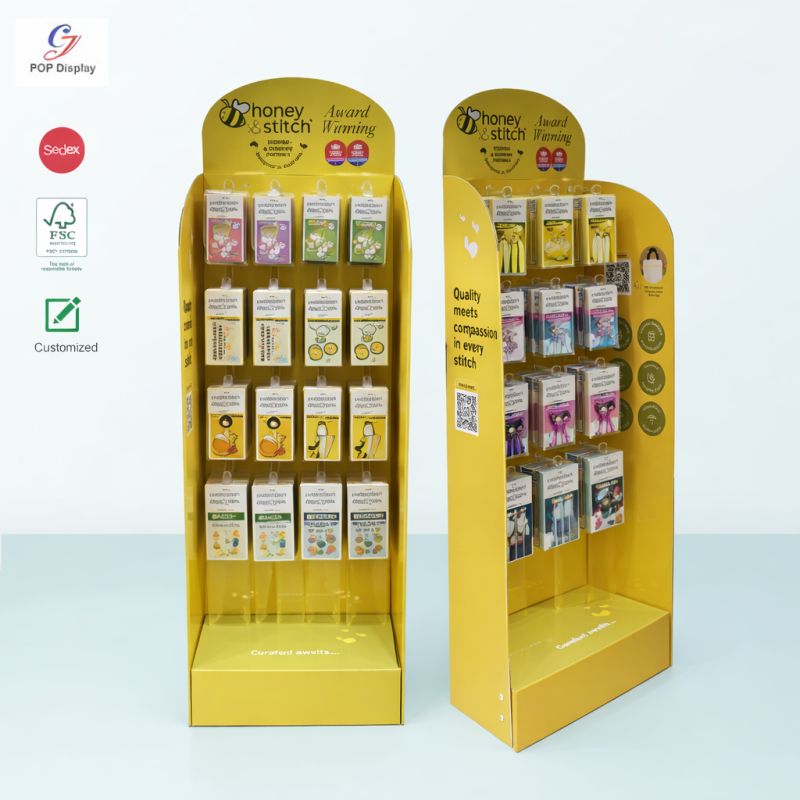
cardboard display manufacturer
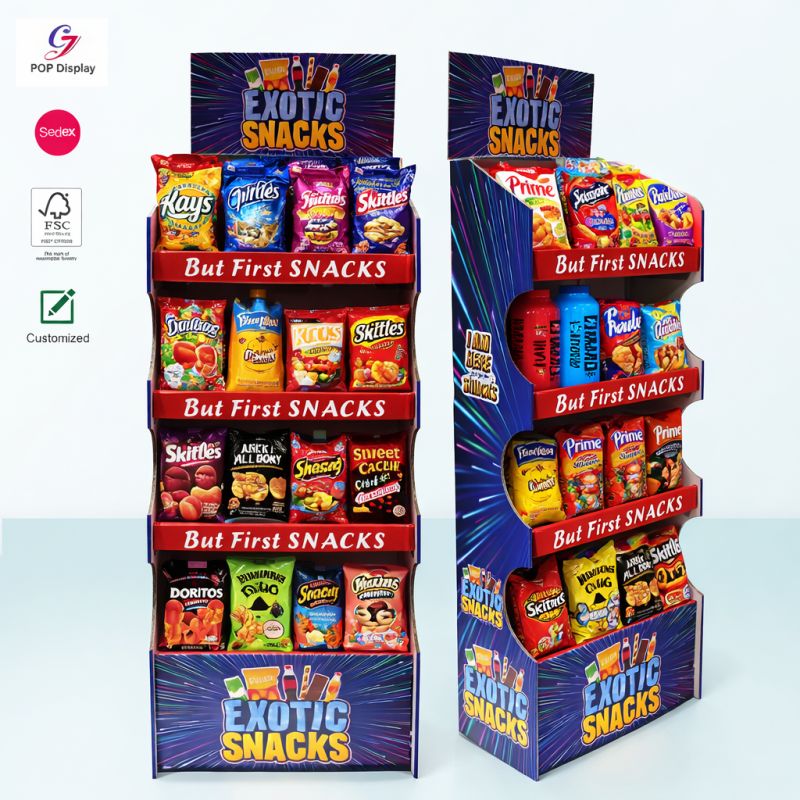
custom display factory
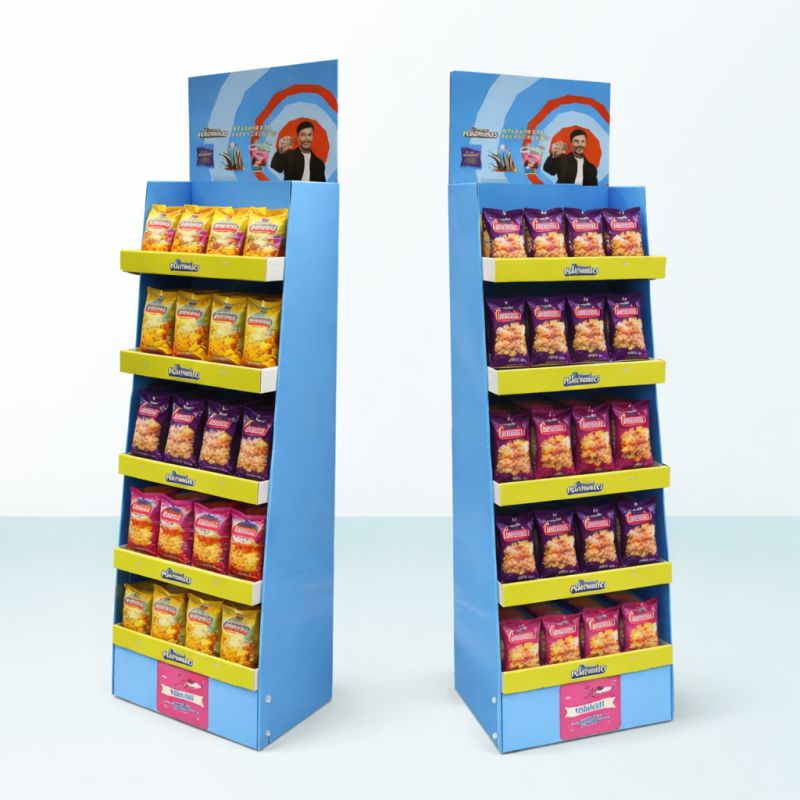
display stand supplier
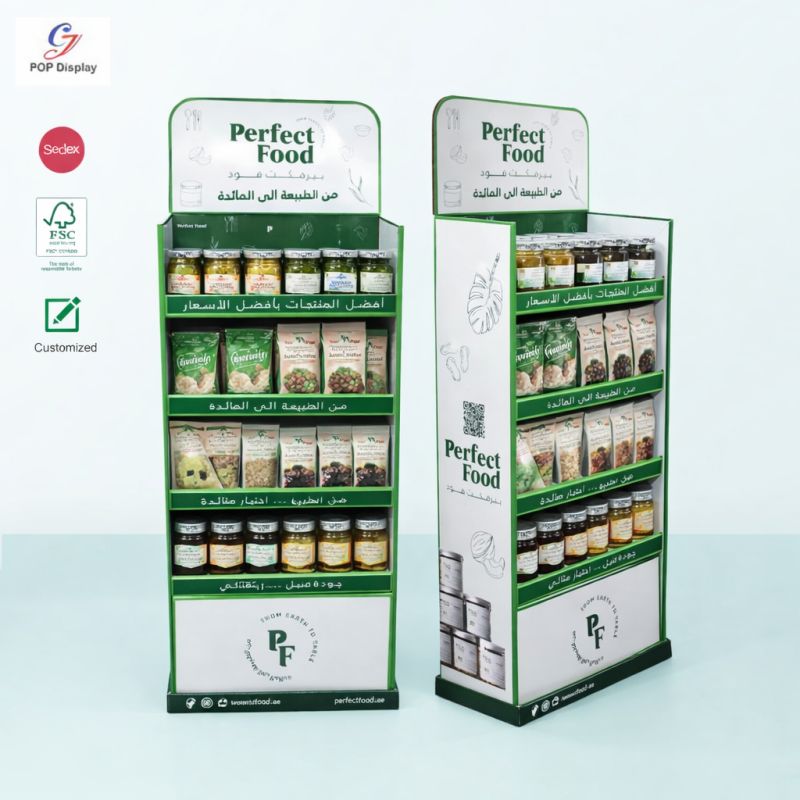
POS display manufacturer
The Problem with “Surface-Level Comparison”
Many buyers compare suppliers based on:
Price
Photos
Initial communication
While these are important, they do not tell the full story.
For example:
A lower price may mean weaker structure
Good photos may not reflect real production quality
Fast replies do not guarantee reliable execution
From our experience, real differences only appear during sampling and production stages.
Key Factors to Compare Between Manufacturers
1. Design Capability (More Important Than You Think)
A strong design team can:
Optimize structure
Improve load capacity
Reduce unnecessary cost
In many projects, design decisions directly affect both price and performance.
For example, a well-designed structure can use less material while still maintaining strength.
This is why experienced manufacturers focus heavily on structural design rather than just appearance.
2. Sampling Speed and Accuracy
Sampling is where your idea becomes reality.
Reliable manufacturers can:
Deliver samples quickly (often within 1–2 days)
Match design intent accurately
Adjust based on feedback
Slow or inaccurate sampling often leads to project delays.
3. Production Capability
Not all factories can handle large or complex orders.
You should evaluate whether the manufacturer can:
Handle bulk production
Meet tight deadlines
Maintain consistent quality
This is especially important for retail programs with fixed timelines.
4. Quality Control System
Consistency is critical.
A good manufacturer should have:
Standardized production processes
Quality inspection procedures
Experience handling mass production
Without proper control, the final products may differ from samples.
5. Experience with Retail Requirements
Suppliers with real retail experience understand:
Structural standards
Packaging requirements
Logistics challenges
For example, displays used in large retail chains often need to meet specific requirements for stability and handling.
If you read earlier topics like Walmart or pallet display design, you’ll know that these requirements are not optional.
6. Communication and Problem-Solving
Even the best projects encounter challenges.
The difference is how quickly and effectively the supplier responds.
A reliable partner should:
Communicate clearly
Provide practical solutions
Respond quickly to changes
Manufacturer vs Supplier: What’s the Difference?
You may notice that some companies call themselves “manufacturers” but operate more like trading companies.
Real Manufacturer
Own production facilities
Direct control over production
Faster response and adjustments
Trading Company
Outsources production
Limited control over quality
Potential communication gaps
For customized cardboard displays, working directly with a manufacturer usually provides better control and efficiency.
Common Red Flags to Watch Out For
Based on real sourcing experience, here are some warning signs:
❌ Extremely Low Prices
Often indicate compromises in material or structure.
❌ No Sampling Capability
Suggests lack of production control.
❌ Vague Answers
Indicates limited experience or knowledge.
❌ Slow Communication
Leads to delays and misunderstandings.
Recognizing these early can save you significant time and cost.
How We Approach Projects Differently
Instead of simply producing displays, we focus on supporting the entire process.
In most projects, we:
Start with structural design optimization
Provide fast sampling (often within 1 day)
Adjust materials based on product weight and retail needs
Ensure consistency between sample and mass production
This approach is particularly useful for clients working on supermarket programs, pallet displays, or beverage displays, where structure and reliability are critical.
Connecting Price, MOQ, and Supplier Choice
If you look at the bigger picture:
Price depends on design and materials
MOQ depends on production efficiency
Supplier capability determines execution
These factors are not separate—they are interconnected.
Choosing the right manufacturer helps you balance all three.
A Smarter Way to Compare Suppliers
Instead of comparing only quotations, a more effective approach is:
Step 1: Evaluate Design Suggestions
Does the supplier provide useful input?
Step 2: Review Samples
Do they match your expectations?
Step 3: Test Communication
Are they responsive and clear?
Step 4: Compare Total Value
Not just price, but reliability and support.
When Experience Makes the Difference
For simple projects, many suppliers may be able to deliver.
But for more demanding scenarios—such as:
Large retail programs
Heavy product displays
Tight deadlines
Experience becomes the deciding factor.
Suppliers who have handled similar projects can anticipate problems and provide solutions before issues arise.
A Practical Starting Point
If you are still comparing options, it is often helpful to start with a design discussion rather than focusing only on price.
👉 You can explore our custom cardboard display solutions to see how we approach structure, cost, and production in real projects.
Conclusion & CTA
Choosing the right POS display manufacturer is not just about finding the lowest price—it is about selecting a partner who can deliver consistent quality, reliable timelines, and practical solutions.
The right choice can help you:
Reduce risks
Improve retail performance
Achieve better long-term results
👉 If you are comparing suppliers, contact us for a free consultation, fast sampling, and customized solutions based on your project requirements.
