

Walmart Display Standards Explained: What Suppliers Must Know Before Retail Entry
Entering major retail chains is a milestone for many brands and suppliers. Among these retailers, Walmart stands out not only for its scale but also for its strict operational standards.
While most suppliers focus heavily on product quality and pricing, one critical aspect is often underestimated: the display system.
A display is not just a marketing tool—it is part of Walmart’s operational ecosystem. If your display does not meet their requirements, it can delay your launch, increase costs, or even result in rejection.
Understanding these requirements in advance is essential if you want your retail program to run smoothly.
Why Display Compliance Matters More Than You Think
Walmart operates thousands of stores with highly standardized processes. Every display used in-store must align with:
Safety regulations
Logistics efficiency
Store operation simplicity
Visual consistency
A display that looks good but fails in structure or logistics can create serious problems, including product damage, inefficient restocking, and increased labor costs.
This is why Walmart buyers often evaluate not only your product, but also how it is displayed.
Key Walmart Display Requirements
1. Structural Strength and Stability
One of the most important requirements is structural integrity.
Displays must:
Hold the full weight of products without bending
Remain stable even when partially loaded
Withstand transportation and in-store handling
For example, snack or beverage displays may need to support significant weight across multiple shelves. Weak materials or poor design can lead to collapse, which is unacceptable in a retail environment.
2. Pallet Compatibility
Many Walmart promotions use pallet displays for efficiency.
Your display must:
Fit standard pallet dimensions
Be stable during forklift handling
Maintain structure during long-distance shipping
Designing without considering pallet standards is one of the most common reasons for rejection.
3. Efficient Packaging and Shipping
Displays are typically shipped flat-packed to reduce logistics costs.
A well-designed packaging system should:
Maximize container loading efficiency
Protect key structural parts
Minimize deformation during transit
Suppliers who ignore packaging design often face damage issues upon arrival.
4. Easy Assembly for Store Staff
In-store staff do not have time for complicated setups.
Displays should:
Be tool-free
Include clear folding structure
Be assembled within minutes
Complex assembly leads to delays and frustration, which retailers want to avoid.
5. Safety Considerations
Safety is non-negotiable.
Displays must:
Have no sharp edges
Remain stable when customers interact with them
Avoid tipping risks
A poorly designed display can create safety hazards, which is unacceptable for large retailers.
Common Mistakes Suppliers Make
Despite good intentions, many suppliers face issues because they:
Focus too much on visual design and ignore structure
Underestimate product weight
Do not test real loading conditions
Lack understanding of retail logistics
These mistakes often result in redesign, delays, or even order cancellation.
The Role of Professional Display Design
Working with an experienced manufacturer can significantly reduce risks.
A professional team can:
Optimize structure for load capacity
Ensure compliance with pallet standards
Improve packaging efficiency
Speed up sampling and production
👉 You can explore our custom cardboard display solutions to ensure your project meets retail requirements from the beginning.
Real-World Scenario
Consider a snack supplier preparing for a seasonal promotion.
They may require:
A pallet display with multiple layers
Eye-catching branding
Strong structure for bulk loading
Without proper design, the display may fail during shipping or in-store use. With proper planning, however, it can significantly boost product visibility and sales.
Practical Tips Before You Start
Before launching your Walmart program, make sure to:
Request a physical sample
Conduct load testing
Confirm pallet size compatibility
Review packaging design
Allow time for adjustments
These steps can prevent costly mistakes.
Conclusion & CTA
Walmart display requirements are not just guidelines—they are essential standards for successful retail execution.
Understanding these requirements early can help you avoid delays, reduce costs, and improve your chances of success.
👉 If you are preparing a Walmart project, contact us for a free design and structural evaluation. Our team can help you develop displays that meet retail standards and perform reliably in real conditions.
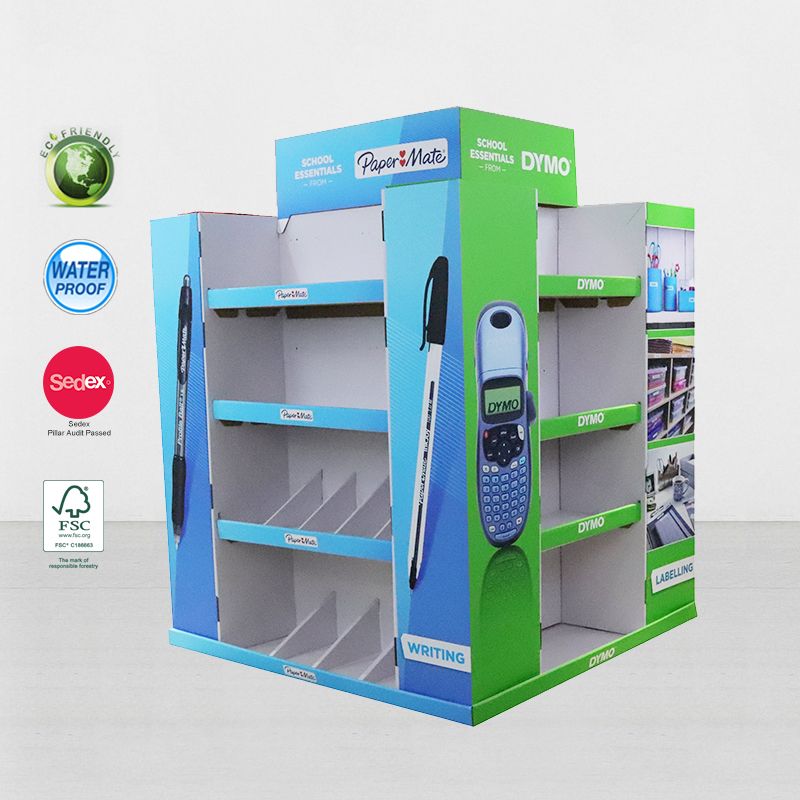
Walmart-cardboard-display-stand.jpg

Walmart-pallet-display.jpg
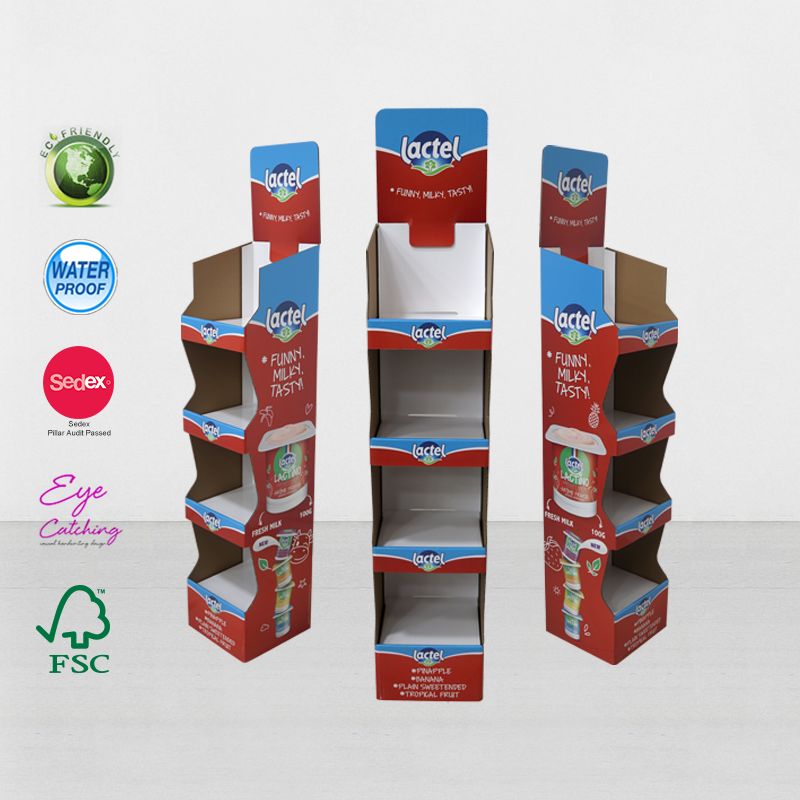
Walmart-sidekick-display
